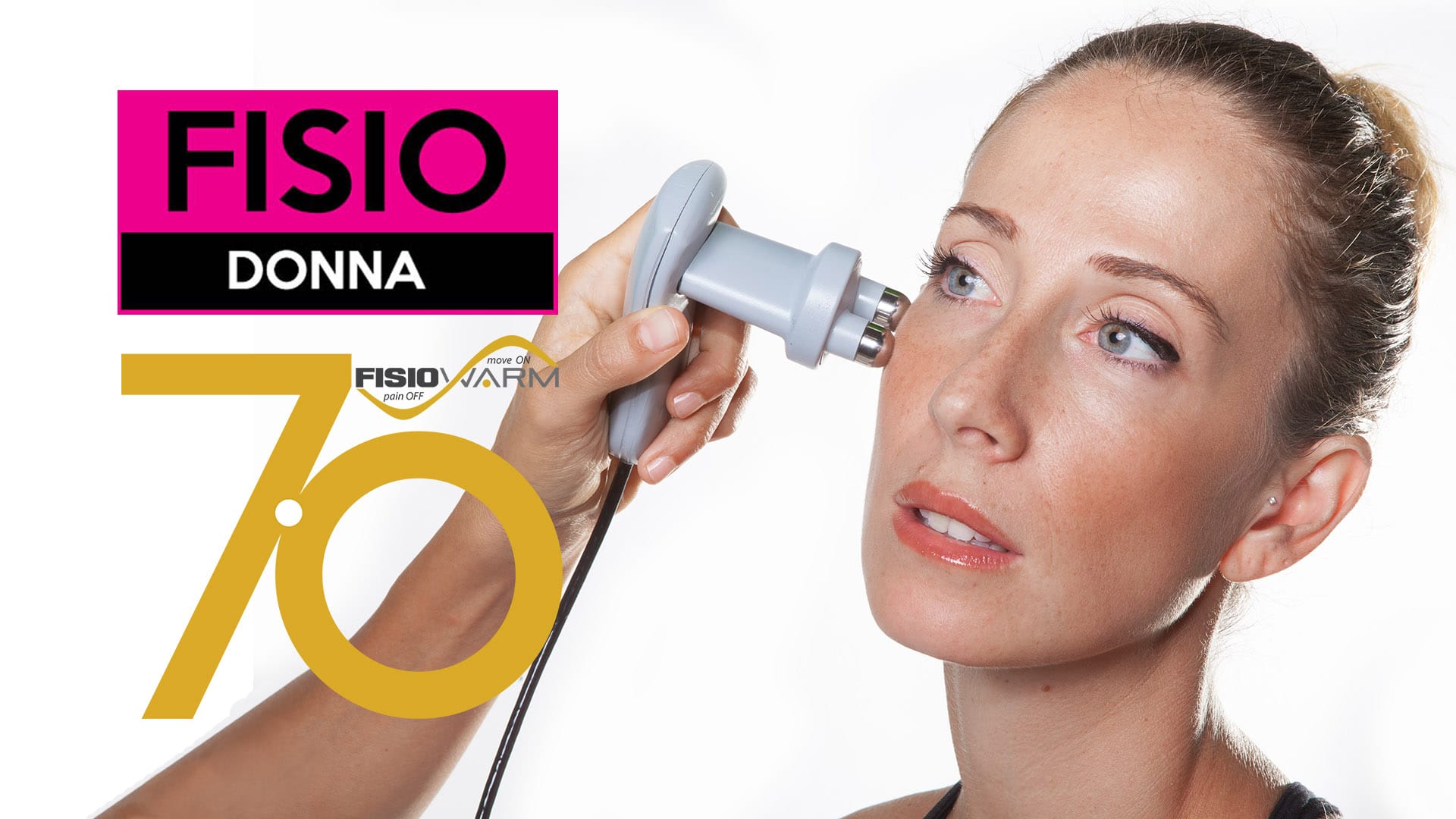
Tecartherapy is widely used in rehabilitation, and it has become increasingly valuable in physioaesthetics and dermofunctional care practice to support tissue quality, comfort, and functional recovery of the skin and superficial soft tissues.
Looking for a non-invasive approach that can be integrated into manual therapy, lymphatic drainage, post-surgical care, or scar management? Tecar therapy can be part of a complete treatment plan focused on tissue balance and patient wellbeing.
Table of Contents
Why Tecar Therapy in Physioaesthetics
Tecar therapy works by stimulating the tissues and supporting microcirculation and local metabolic activity, which may help:
- reduce the feeling of heaviness and swelling
- support tissue tone and elasticity
- improve comfort in sensitive or overloaded areas
- complement post-treatment and post-surgical recovery protocols
- assist manual techniques by preparing the tissues
Results depend on the individual, the condition, and the overall plan (lifestyle, manual therapy, movement, and consistency).
What Are Dermofunctional Treatments?
Dermofunctional therapy focuses on the functional balance of the skin and underlying tissues. It often addresses issues such as fluid retention, fibrosis, scar adhesions, tissue stiffness, and altered sensitivity—especially after surgery, trauma, or prolonged inflammation.
Tecar therapy can be integrated as a supportive modality within a broader clinical reasoning approach.
Main Application Areas
Fluid Retention and Heaviness
Tecar therapy can be used as part of protocols aimed at supporting circulation and helping manage swelling sensations, especially when combined with manual drainage techniques.
Tissue Quality and Tone
In physioaesthetic pathways, Tecar therapy may support treatments focused on improving tissue pliability and perceived firmness—particularly in areas prone to stiffness.
Scars and Fibrotic Tissue
When clinically appropriate, Tecar therapy can complement manual work to improve tissue mobility and comfort in areas affected by post-surgical scars or fibrotic changes.
Post-surgical and Post-treatment Support
Tecar therapy is often considered in recovery protocols to support comfort and tissue response, always respecting medical indications and timing.
What a Session Typically Feels Like
Patients usually perceive a pleasant warmth and a sense of tissue “relaxation”. Intensity and modality should be adapted to the area, sensitivity, and goals.
Suggested Treatment Pathway (Example)
A typical plan is defined by the professional based on assessment. An example pathway may include:
- Initial phase: 1–2 sessions per week to support tissue response
- Progress phase: weekly sessions combined with manual therapy and targeted exercises
- Maintenance: sessions spaced according to goals and patient adherence
Always tailor frequency, timing, and parameters to the person and the clinical context.
How to Integrate Tecar with Other Techniques
Tecar therapy can be combined with:
- manual therapy and fascia techniques
- lymphatic drainage
- therapeutic exercise and posture work
- scar mobilization (when indicated)
- complementary aesthetic/dermofunctional pathways based on professional evaluation
Why Choose Fisiowarm
- Designed for professional clinical use
- Focus on usability, workflow, and treatment versatility
- Support and guidance for correct integration into practice
- Training-oriented approach: technology is effective when paired with clinical reasoning
Is Tecartherapy painful?
It is generally comfortable. Intensity is always adjustable and must respect sensitivity and clinical indications.
How many sessions are needed?
It depends on the goal, the starting condition, and consistency. Some people perceive improvements in comfort early, while structural goals require time.
Are there contraindications?
As with many electro-medical modalities, specific contraindications may apply. Always follow professional guidelines and the device documentation.